
![At the museum no photos are allowed which is really unfortunate as it was well worth the visit and the guided tour is definitely not to be missed. In the museum there are even Batik made from the Dutch era which depicts stories like Little Red Riding Hood and Snow White!
I enjoyed the tour v much and at the end of the tour we were brought to this room where the artisan were working on hand drawn batik.
Below is an excerpt from Wikipedia for anyone interested in learning more about the process of batik making.
Firstly, a cloth is washed, soaked and beaten with a large mallet. Patterns are drawn with pencil and later redrawn using hot wax, usually made from a mixture of paraffin or bees wax, sometimes mixed with plant resins, which functions as a dye-resist. The wax can be applied with a variety of tools. A pen-like instrument called a canting (IPA: [tʃantiŋ], sometimes spelled with old Dutch orthography tjanting) is the most common. A canting is made from a small copper reservoir with a spout on a wooden handle. The reservoir holds the resist which flows through the spout, creating dots and lines as it moves. For larger patterns, a stiff brush may be used. Alternatively, a copper block stamp called a cap (IPA: [tʃap]; old spelling tjap) is used to cover large areas more efficiently.
After the cloth is dry, the resist is removed by scraping or boiling the cloth. The areas treated with resist keep their original color; when the resist is removed the contrast between the dyed and undyed areas forms the pattern. This process is repeated as many times as the number of colors desired.
The most traditional type of batik, called batik tulis (written batik), is drawn using only the canting. The cloth need to be drawn on both sides and dipped in a dye bath three to four times. The whole process may take up to a year; it yields considerably finer patterns than stamped batik.
Source: Wikipedia](https://images.trvl-media.com/place/6224808/26fd1460-c65a-4c1a-9444-7a893e883ac9.jpg?impolicy=resizecrop&rw=1920&ra=fit&ch=480)
Photo by Sharrie Shaw
Hotels in Surakarta

Free cancellation options if plans change

Earn rewards on every night you stay

Save more with Member Prices
Check prices for these dates
Where to stay in Surakarta?
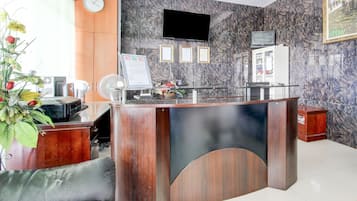

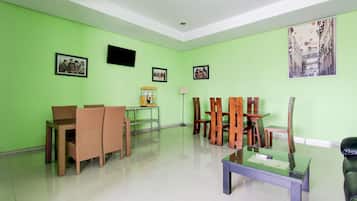
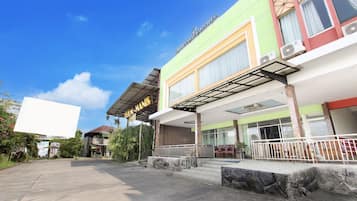
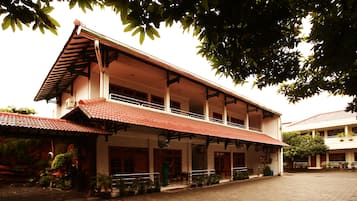
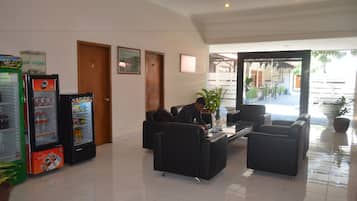
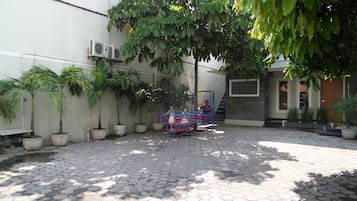
Dancenter Amanah Sehajtera
Dancenter Amanah Sehajtera
The price is CNY34
CNY41 total
includes taxes & fees
Dec 11 - Dec 12
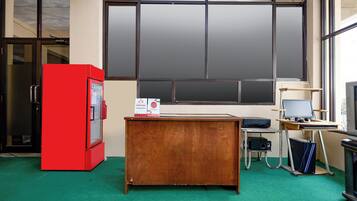
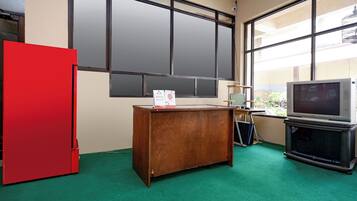
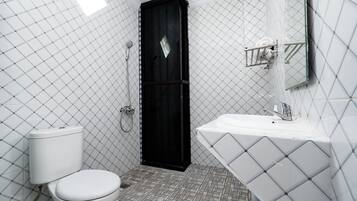
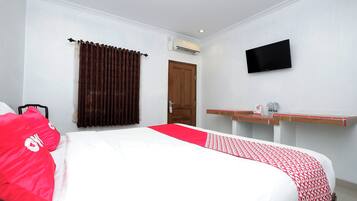

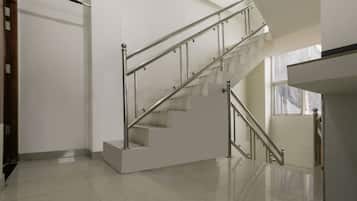

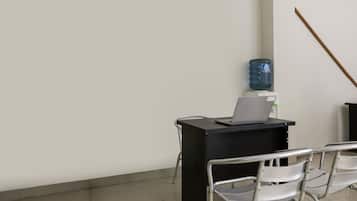

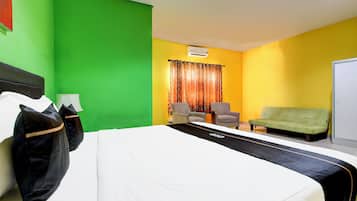
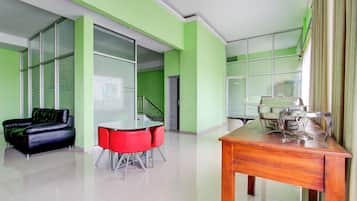
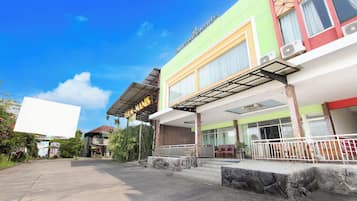

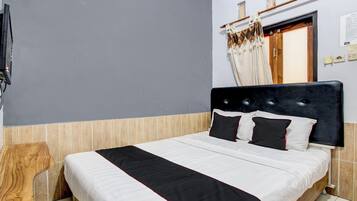

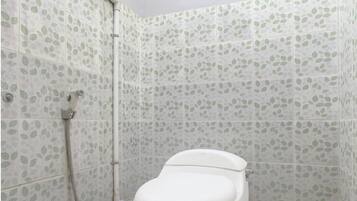


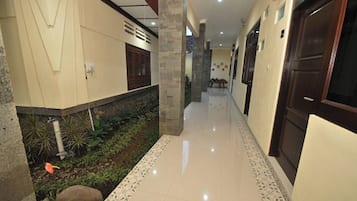
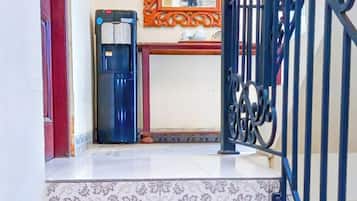
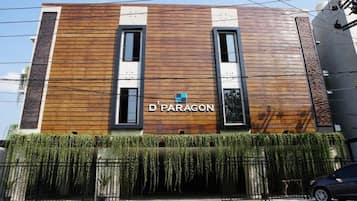


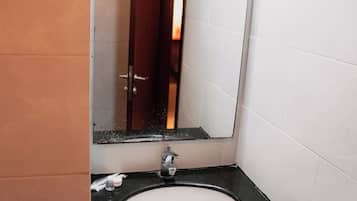
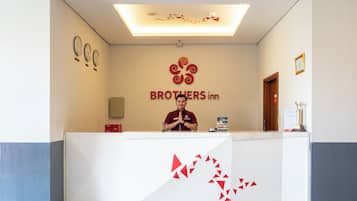
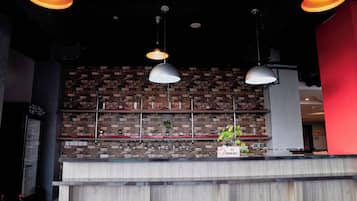
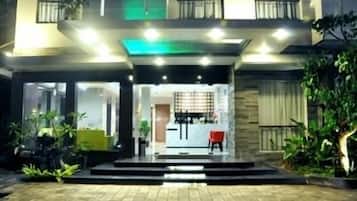
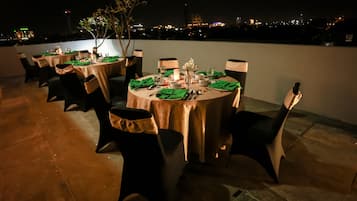
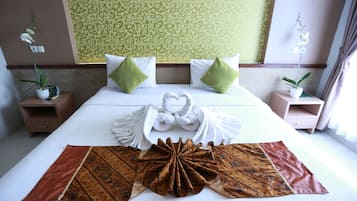
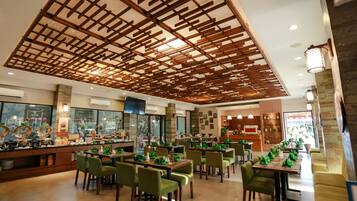
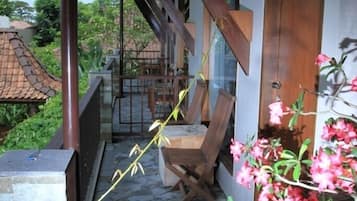
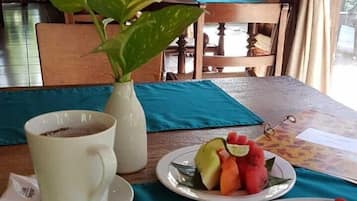
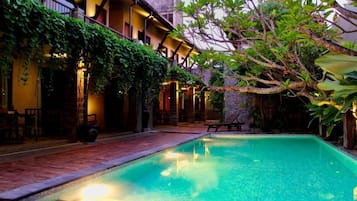
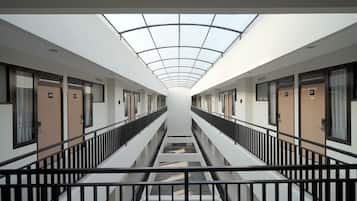

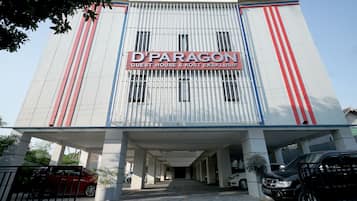
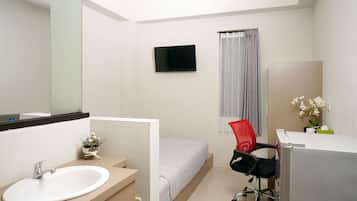
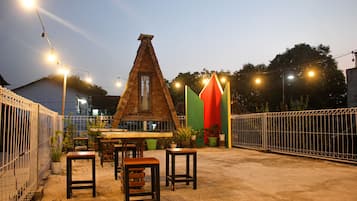

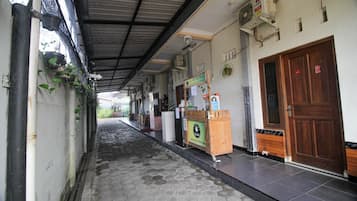

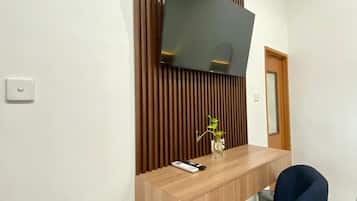
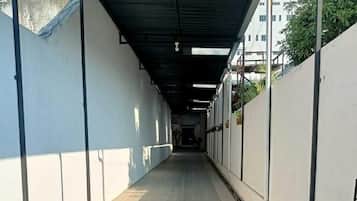
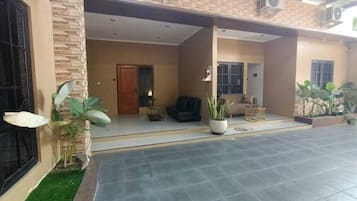
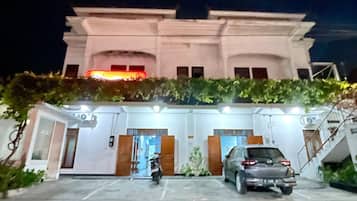

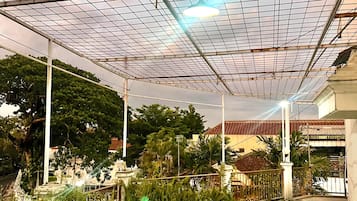

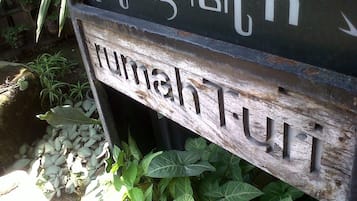
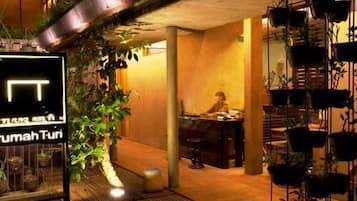
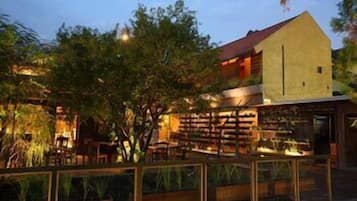


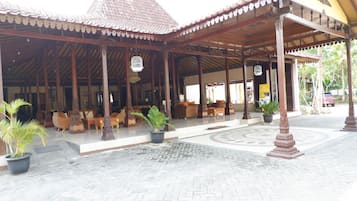
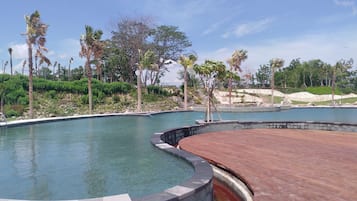
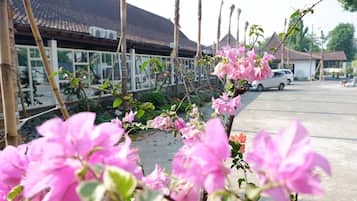

Lowest nightly price found within the past 24 hours based on a 1 night stay for 2 adults. Prices and availability subject to change. Additional terms may apply.
Great weekend hotel deals in Surakarta
Showing deals for:Dec 19 - Dec 21
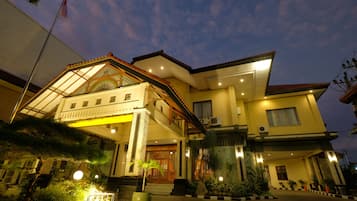
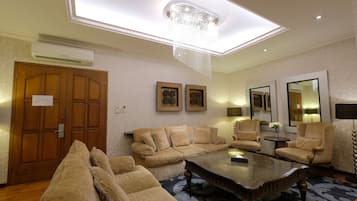
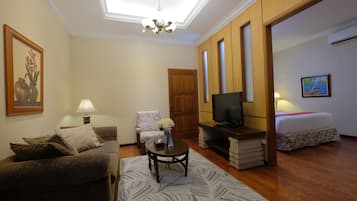
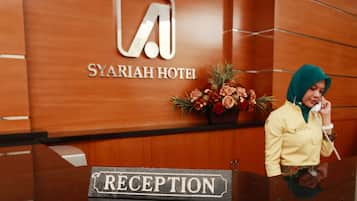
Image gallery for Lorin Syariah Hotel Solo

Lorin Syariah Hotel Solo
Surakarta
8.0/10Very Good (13 reviews)
30% off
Price is CNY124
CNY300 total
includes taxes & fees


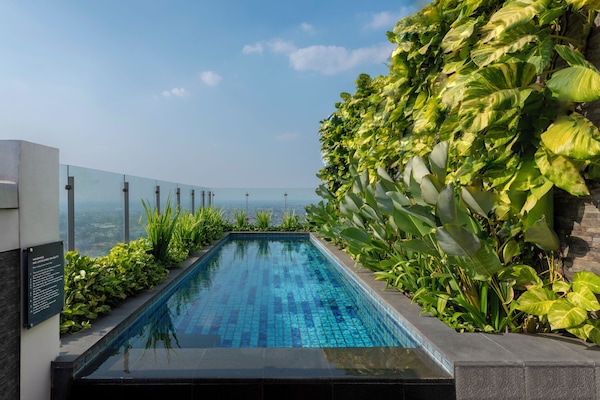



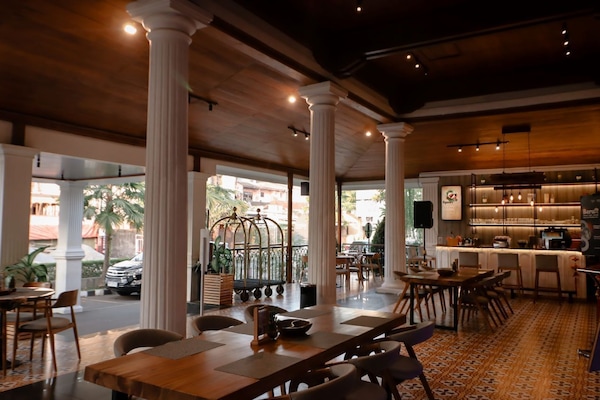


Check out hotels with a spa in Surakarta

Rumah Batu Boutique Hotel
Baki
9.0 out of 10, Wonderful, (9)

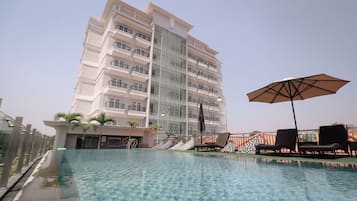



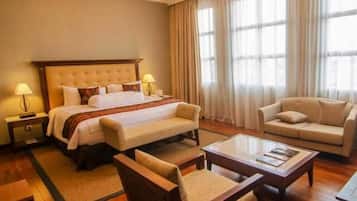

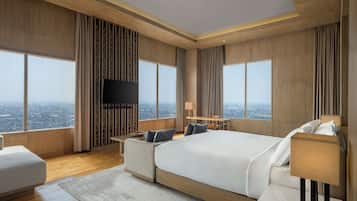
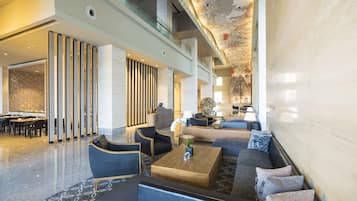
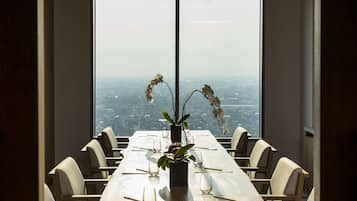


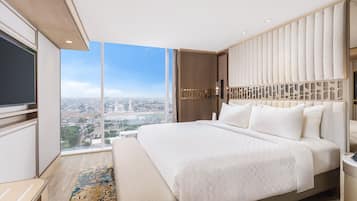

You may also like hotels with pools in Surakarta
Rumah Batu Boutique Hotel
Baki
9.0 out of 10, Wonderful, (9)


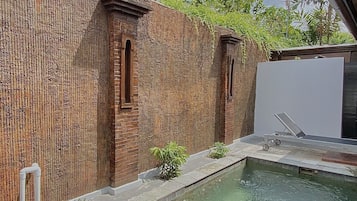
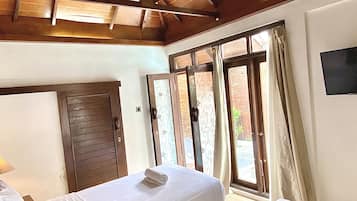


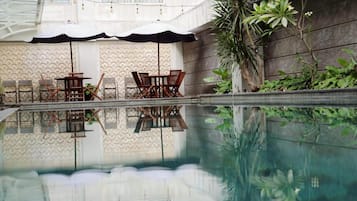
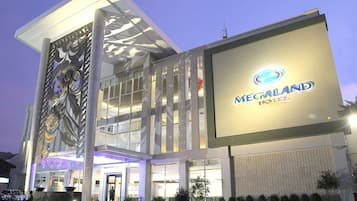
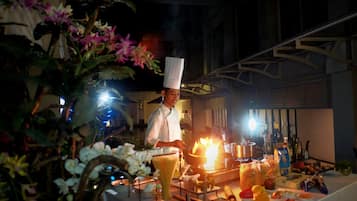
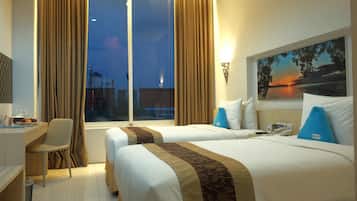
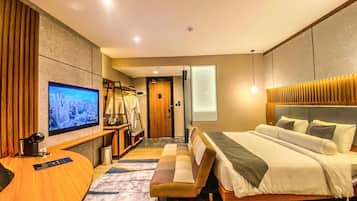

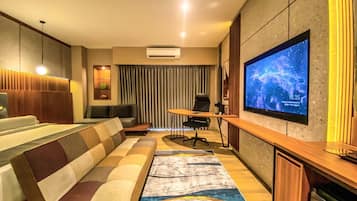

You can also stay at family-friendly hotels in Surakarta
Rumah Batu Boutique Hotel
Baki
9.0 out of 10, Wonderful, (9)
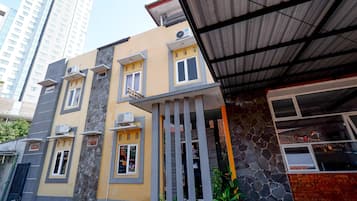
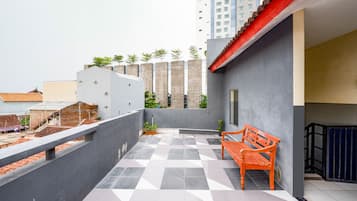
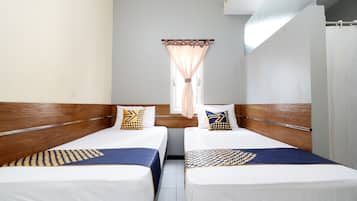
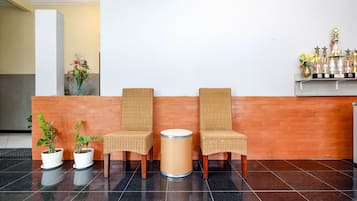

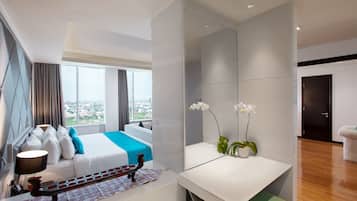
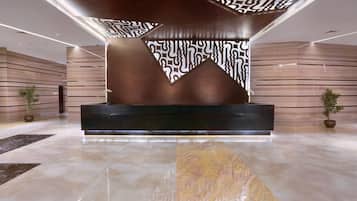
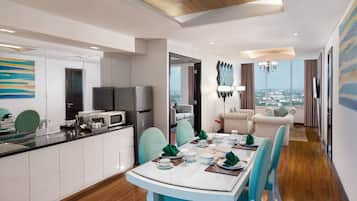

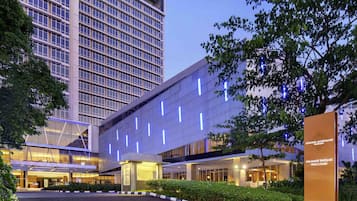

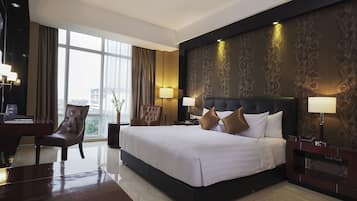


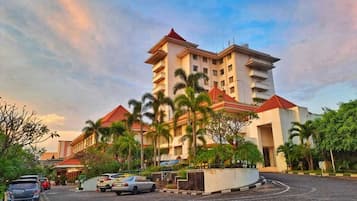
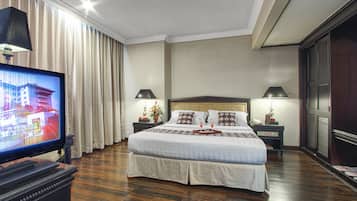
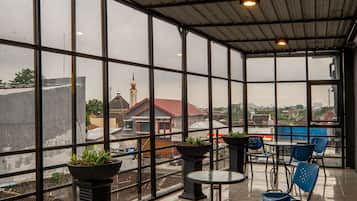
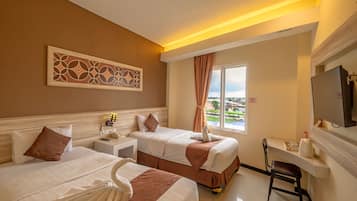


Lowest nightly price found within the past 24 hours based on a 1 night stay for 2 adults. Prices and availability subject to change. Additional terms may apply.
Go beyond your typical stay in Surakarta
Family friendly
Top neighborhoods in Surakarta
Solo City Centre
Surakarta's Solo City Centre neighborhood has a host of places to visit such as Solo Paragon Lifestyle Mall and Keprabon Park.
Banjarsari
Surakarta's Banjarsari neighborhood has a host of places to visit such as Solo Paragon Lifestyle Mall and Balekambang City Park.
Top landmarks in Surakarta
![At the museum no photos are allowed which is really unfortunate as it was well worth the visit and the guided tour is definitely not to be missed. In the museum there are even Batik made from the Dutch era which depicts stories like Little Red Riding Hood and Snow White!
I enjoyed the tour v much and at the end of the tour we were brought to this room where the artisan were working on hand drawn batik.
Below is an excerpt from Wikipedia for anyone interested in learning more about the process of batik making.
Firstly, a cloth is washed, soaked and beaten with a large mallet. Patterns are drawn with pencil and later redrawn using hot wax, usually made from a mixture of paraffin or bees wax, sometimes mixed with plant resins, which functions as a dye-resist. The wax can be applied with a variety of tools. A pen-like instrument called a canting (IPA: [tʃantiŋ], sometimes spelled with old Dutch orthography tjanting) is the most common. A canting is made from a small copper reservoir with a spout on a wooden handle. The reservoir holds the resist which flows through the spout, creating dots and lines as it moves. For larger patterns, a stiff brush may be used. Alternatively, a copper block stamp called a cap (IPA: [tʃap]; old spelling tjap) is used to cover large areas more efficiently.
After the cloth is dry, the resist is removed by scraping or boiling the cloth. The areas treated with resist keep their original color; when the resist is removed the contrast between the dyed and undyed areas forms the pattern. This process is repeated as many times as the number of colors desired.
The most traditional type of batik, called batik tulis (written batik), is drawn using only the canting. The cloth need to be drawn on both sides and dipped in a dye bath three to four times. The whole process may take up to a year; it yields considerably finer patterns than stamped batik.
Source: Wikipedia](https://images.trvl-media.com/place/6224808/26fd1460-c65a-4c1a-9444-7a893e883ac9.jpg?impolicy=fcrop&w=300&h=400&p=1&q=high)
Check out reviews of Surakarta hotels guests love

Swiss-Belhotel Solo
10/10 Excellent
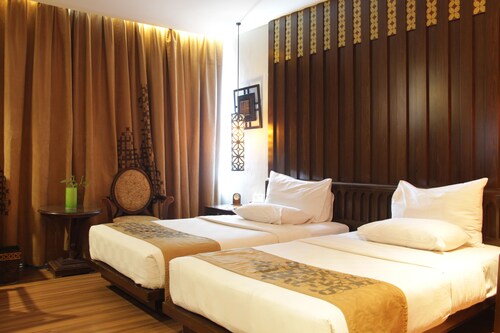
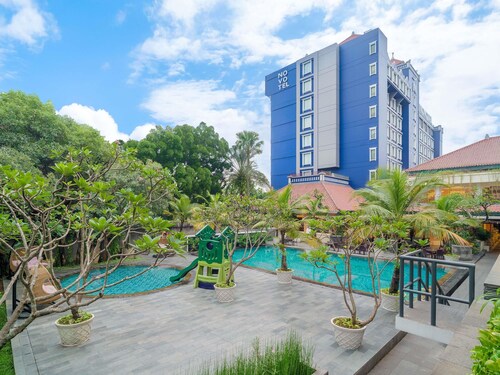


Frequently asked questions
Keep exploring
- Neighborhoods
- Landmarks
- Star Rating
- Accommodation Types
- Amenities
- Hotels close to nearby airports
- Hotels near a Station
- Nearby cities
- Top cities in Indonesia
- More Hotels
- Most popular destinations
- More ways to book
- Hotels near Solo Paragon Lifestyle Mall
- Hotels near UMS
- Hotels near Universitas Sebelas Maret
- Hotels near Muhammadiyah University of Surakarta
- Hotels near Mangkunegaran Palace
- Hotels near Kraton Surakarta
- Hotels near Klewer Market
- Hotels near Gede Market
- Hotels near The Heritage Palace
- Hotels near Solo Square
- Hotels near Balekambang City Park
- Hotels near Danar Hadi
- Hotels near Sriwedari Amusement Park
- Hotels near Pasar Klewer
- Hotels near Nakamura Klinik
- Hotels near Radya Museum Library
- Hotels near Mesjid Agung
- Hotels near Radya Pustaka Museum
- Hotels near Keprabon Park
- Hotels near Gunung Merapi National Park
- Ubud Hotels
- Seminyak Hotels
- Denpasar Hotels
- Nusa Dua Hotels
- Kuta Hotels
- Jakarta Hotels
- Baturiti Hotels
- Legian Hotels
- Canggu Hotels
- Jimbaran Hotels
- Pecatu Hotels
- Uluwatu Hotels
- Batam Hotels
- Tegallalang Hotels
- Bandung Hotels
- Lembongan Island Hotels
- Gili Trawangan Hotels
- Payangan Hotels
- Yogyakarta Hotels
- Penida Island Hotels
- Aston Solo
- ZG Homestay Solo
- HARRIS Hotel & Conventions Solo
- Nata Azana Hotel Solo
- GRAND ORCHID HOTEL SOLO
- Loji Hotel Solo by Wstay
- favehotel Manahan - Solo
- Hotel O Gurita
- Hotel Asia
- Hotel O Solo Point Guest House Syariah
- Arini Hotel
- Sahid Jaya Hotel Solo
- Hotel Tirtonadi Permai
- Hotel O Solo near RS JIH Solo formerly Azifa Inn
- POP! Hotel Solo
- Mahalaya The Legacy Solo
- Hotel Neo Gading Solo
- Aziza Solo
- Pose in Solo by Wstay
- Super OYO Capital O 1644 Hotel Griya Kencana
- Amaris Sriwedari Solo Surakarta
- Horison Inn Laksana Solo
- Solo Paragon Hotel & Residences
- Megaland Hotel
- Riyadi Palace Hotel
- Rumah Turi Eco Hotel
- Hotel O Tamansari Guest House
- Dparagon Manduro
- Chrome Hotel & Resort Solo
- Grand Sahman Hotel
- Musafir Guest House Syariah
- Mangkuyudan Hotel Solo
- Grand Sae Boutique Hotel
- Hotel O Manahan Near Stadium Manahan Solo Formerly Atma Bhakti
- Malioboro Inn Solo
- Hotel Laweyan Solo
- Amaranta Prambanan Yogyakarta
- Grand Mercure Solo Baru
- Tjokro Hotel Klaten
- Georium Dunia
- The Alana Hotel and Convention Center - Solo by Aston
- favehotel Solo Baru
- OYO Life 2546 Griya Widya Syariah
- Anaya Azana Boutique Hotel Tawangmangu
- Hotel Merak Indah
- Hotel O Jaya Kusuma
- Nava Hotel Tawangmangu
- Front One Boutique Adria Boyolali
- Rumah Batu Boutique Hotel
- LOA Living Solo Baru
Most popular destinations
Hotels
- Hotels in Padang
- Cheap Hotels in Shanghai
- Park Regis Kuta, Bali
- Hotels in Canggu
- Hotels in Tegal
- Hotels in Karon
- Mercure Han-sur-Lesse
- Irene Pool Villa Resort, Koh Lipe
- Hotels in Playa del Carmen
- Hotels near Traverse City State Park
- Hotels in Kuta
- Hôtel Le Mas d'Estello
- Hotels in Seminyak
- Hyatt Place Deqing
- Hotels in Taro
- Hotels in Zermatt
- Mercure Shanghai Jinqiao
- Crowne Plaza Panama Airport by IHG
- Hotels in Longhua District
- InterContinental Shanghai Ruijin by IHG
- Hotels in Osaka
- Lai Lifestyle Hotel
- Hotels in Makadi Bay
- Hotels in Pakem
- Hotels in Venice
- Hotels near MD Anderson Cancer Center
- Hotels near Pudong Intl.
- Hilton Fiji Beach Resort and Spa
- Hotels in Beru
- Hotels in Charlotte