
![The Arctic Circle is one of the five major circles of latitude that mark maps of the Earth. As of 16 February 2015, it runs 66°33′45.6″ north of the Equator.
The region north of this circle is known as the Arctic, and the zone just to the south is called the Northern Temperate Zone. The equivalent polar circle in the Southern Hemisphere is called the Antarctic Circle.
The Arctic Circle is the southernmost latitude in the Northern Hemisphere at which the sun can remain continuously above or below the horizon for 24 hours (at the June solstice and December solstice respectively). North of the Arctic Circle, the sun is above the horizon for 24 continuous hours at least once per year (and therefore visible at midnight) and below the horizon for 24 continuous hours at least once per year (and therefore not visible at noon). On the Arctic Circle those events occur, in principle, exactly once per year, at the June and December solstices, respectively. However, in practice, because of atmospheric refraction and mirages, and because the sun appears as a disk and not a point, part of the midnight sun may be seen on the night of the northern summer solstice up to about 50′ (90 km (56 mi)) south of the Arctic Circle; similarly, on the day of the northern winter solstice, part of the sun may be seen up to about 50′ north of the Arctic Circle. That is true at sea level; those limits increase with elevation above sea level, although in mountainous regions there is often no direct view of the true horizon.
The position of the Arctic Circle is not fixed. It directly depends on the Earth's axial tilt, which fluctuates within a margin of 2° over a 40,000-year period,[2] notably due to tidal forces resulting from the orbit of the Moon. The Arctic Circle is currently drifting northwards at a speed of about 15 m (49 ft) per year; see Circle of latitude for more information.
#snow](https://images.trvl-media.com/place/6140564/a9f9449e-bab4-40a6-a9a1-5356b0cc2aa8.jpg?impolicy=resizecrop&rw=1920&ra=fit&ch=480)
拍摄者: Sharrie Shaw
尼基思基酒店预订

计划有变可免费取消

每晚住宿都有奖励

会员价省更多
查看这些日期的价格
尼基思基住宿攻略




基奈机场酒店
基奈机场酒店
2.0 星住宿
Kenai
9.2 分,总分 10,好极了,(325)
9.2/10
好极了
(325)
新价格 CNY687
CNY687
总价 CNY728
包含税费
12 月 31 日 - 2026 年 1 月 1 日

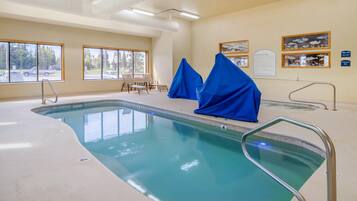


基奈凯艺酒店
基奈凯艺酒店
2.5 星住宿
Kenai
8.4 分,总分 10,很好,(570)
8.4/10
很好
(570)
新价格 CNY799
CNY799
总价 CNY847
包含税费
1 月 18 日 - 2026 年 1 月 19 日

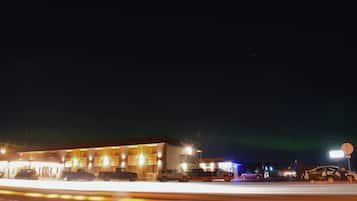


基奈上城汽车旅馆
基奈上城汽车旅馆
2.5 星住宿
Kenai
8.6 分,总分 10,超赞,(298)
8.6/10
超赞
(298)
新价格 CNY624
CNY624
总价 CNY661
包含税费
1 月 2 日 - 2026 年 1 月 3 日



肯尼旅馆
肯尼旅馆
2.0 星住宿
Kenai
8.4 分,总分 10,很好,(48)
8.4/10
很好
(48)
新价格 CNY730
CNY730
总价 CNY774
包含税费
12 月 31 日 - 2026 年 1 月 1 日



基奈阿斯潘长住酒店
基奈阿斯潘长住酒店
2.5 星住宿
Kenai
9.0 分,总分 10,好极了,(714)
9.0/10
好极了
(714)




贝斯特韦斯特国王鲑酒店
贝斯特韦斯特国王鲑酒店
2.5 星住宿
Soldotna
8.2 分,总分 10,很好,(378)
8.2/10
很好
(378)
新价格 CNY813
CNY813
总价 CNY895
包含税费
1 月 1 日 - 2026 年 1 月 2 日



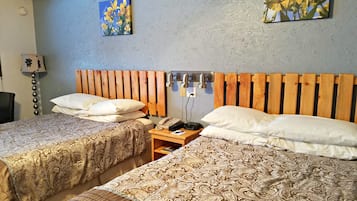
索尔多特纳酒店
索尔多特纳酒店
2.5 星住宿
Soldotna
7.6 分,总分 10,还可以,(528)
7.6/10
还可以
(528)




舒适与便利!位于索尔多特纳市中心的公寓
舒适与便利!位于索尔多特纳市中心的公寓
3.0 星住宿
Soldotna
新价格 CNY1,072
CNY1,072
总价 CNY3,257
包含税费
12 月 31 日 - 2026 年 1 月 1 日


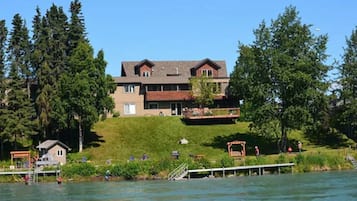
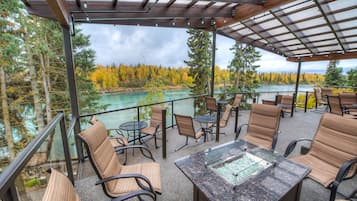
科乃河旅舍
科乃河旅舍
3.0 星住宿
Soldotna
8.4 分,总分 10,很好,(742)
8.4/10
很好
(742)
新价格 CNY841
CNY841
总价 CNY925
包含税费
12 月 31 日 - 2026 年 1 月 1 日



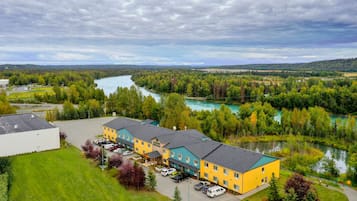
索尔多特纳阿斯潘酒店
索尔多特纳阿斯潘酒店
2.5 星住宿
Soldotna
8.6 分,总分 10,超赞,(798)
8.6/10
超赞
(798)




阿拉斯加钓客旅馆
阿拉斯加钓客旅馆
3.0 星住宿
Soldotna
8.0 分,总分 10,很好,(303)
8.0/10
很好
(303)

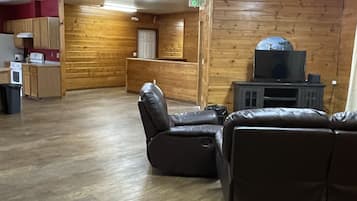
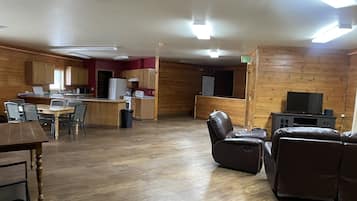

索尔多特纳旅馆
索尔多特纳旅馆
2.0 星住宿
Soldotna
6.0 分,总分 10,(37)
6.0/10
(37)
新价格 CNY479
CNY479
总价 CNY494
包含税费
12 月 31 日 - 2026 年 1 月 1 日



阿拉斯加湖和长湖旅馆
阿拉斯加湖和长湖旅馆
4.0 星住宿
Soldotna
8.4 分,总分 10,很好,(26)
8.4/10
很好
(26)
新价格 CNY1,278
CNY1,278
总价 CNY1,316
包含税费
12 月 31 日 - 2026 年 1 月 1 日
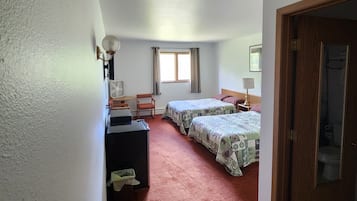



冬眠站
冬眠站
2.0 星住宿
Sterling
9.2 分,总分 10,好极了,(47)
9.2/10
好极了
(47)
新价格 CNY536
CNY536
总价 CNY552
包含税费
12 月 31 日 - 2026 年 1 月 1 日
基于过去 24 小时内找到的、2 位成人 1 晚住宿的每晚最低价格。价格和供应情况可能会有所变动。可能需遵守其他条款。
基于过去 24 小时内找到的、2 位成人 1 晚住宿的每晚最低价格。价格和供应情况可能会有所变动。可能需遵守其他条款。
尼基思基及周边的经济型酒店
8.2 分,总分 10,很好,(378)
8.2/10
很好
(378)
新价格 CNY813
CNY813
总价 CNY895
包含税费
1 月 1 日 - 2026 年 1 月 2 日
8.6 分,总分 10,超赞,(798)
8.6/10
超赞
(798)
8.4 分,总分 10,很好,(26)
8.4/10
很好
(26)
新价格 CNY1,278
CNY1,278
总价 CNY1,316
包含税费
12 月 31 日 - 2026 年 1 月 1 日
基于过去 24 小时内找到的、2 位成人 1 晚住宿的每晚最低价格。价格和供应情况可能会有所变动。可能需遵守其他条款。
基于过去 24 小时内找到的、2 位成人 1 晚住宿的每晚最低价格。价格和供应情况可能会有所变动。可能需遵守其他条款。
尼基思基超凡住宿体验
详细了解尼基思基
尼基思基的知名景点包括基奈国家野生动物保护区和岛湖。这座城市有着吸引各类游客的魅力,景点包括小屋湖和科齐纳路,充满幽静情调。
![The Arctic Circle is one of the five major circles of latitude that mark maps of the Earth. As of 16 February 2015, it runs 66°33′45.6″ north of the Equator.
The region north of this circle is known as the Arctic, and the zone just to the south is called the Northern Temperate Zone. The equivalent polar circle in the Southern Hemisphere is called the Antarctic Circle.
The Arctic Circle is the southernmost latitude in the Northern Hemisphere at which the sun can remain continuously above or below the horizon for 24 hours (at the June solstice and December solstice respectively). North of the Arctic Circle, the sun is above the horizon for 24 continuous hours at least once per year (and therefore visible at midnight) and below the horizon for 24 continuous hours at least once per year (and therefore not visible at noon). On the Arctic Circle those events occur, in principle, exactly once per year, at the June and December solstices, respectively. However, in practice, because of atmospheric refraction and mirages, and because the sun appears as a disk and not a point, part of the midnight sun may be seen on the night of the northern summer solstice up to about 50′ (90 km (56 mi)) south of the Arctic Circle; similarly, on the day of the northern winter solstice, part of the sun may be seen up to about 50′ north of the Arctic Circle. That is true at sea level; those limits increase with elevation above sea level, although in mountainous regions there is often no direct view of the true horizon.
The position of the Arctic Circle is not fixed. It directly depends on the Earth's axial tilt, which fluctuates within a margin of 2° over a 40,000-year period,[2] notably due to tidal forces resulting from the orbit of the Moon. The Arctic Circle is currently drifting northwards at a speed of about 15 m (49 ft) per year; see Circle of latitude for more information.
#snow](https://images.trvl-media.com/place/6140564/a9f9449e-bab4-40a6-a9a1-5356b0cc2aa8.jpg?impolicy=fcrop&w=900&h=675&p=1&q=high)
照片拍摄者:Sharrie Shaw
公开照片拍摄者:Sharrie Shaw
查看住客喜爱的 尼基思基 酒店的点评
常见问题
尼基思基酒店客房的价格是多少?
您可以找到位于尼基思基的热门酒店,价格 CNY494 起,有各种选项,可以满足您的预算和需求。 如果您正在寻找位于尼基思基的经济实惠的酒店,还要满足您的所有要求,只需在 Hotels.com 好订网上进行搜索时应用筛选条件,然后按"价格:从低到高"对酒店进行排序。
如何找到尼基思基酒店的优惠并获得奖励?
通过 Hotels.com 好订网查找入住尼基思基酒店的超值优惠。 您还可以在周中或淡季查看酒店价格以找到非高峰期的优惠。 如果您准备来一场说走就走的旅行,请查看我们针对尼基思基酒店的最后时限优惠。
我能预订尼基思基可以免费取消的酒店吗?
要在 Hotels.com 好订网上预订尼基思基可退款的酒店,只需使用"住宿取消政策"筛选酒店,并选择"可全额退款住宿"即可。 大部分酒店都支持免费取消,因此,如果需要取消,您可以获得退款。 有些酒店确实要求在入住前 24 小时以上取消预订,因此请务必提前仔细检查您的预订。
尼基思基有哪些可以免费停车的优质酒店?
如果您自驾游,在尼基思基入住一家可以免费停车的优质酒店可以让您更加方便。旅客喜爱的住宿包括:
- 金毛熊民宿:一个民宿,平均住客评分为 9.2 分(满分 10 分)
我可以在尼基思基预订可退款的住宿吗?
如果您需要方便地更改前往尼基思基的计划,大多数酒店都提供可退款*的房型,供您预订。 搜索我们的网站并使用"全额退款"筛选条件精确搜索结果,您可以查看这些住宿。
如果想住度假屋而不是传统的酒店,在尼基思基应该住哪里?
您可以查看我们网站上的 12 家度假屋。 您可能也愿意考虑从 5 家公寓或 6 间小木屋中选一个预订。
在我度假期间,尼基思基的天气如何?
7 月和 8 月通常是尼基思基最暖和的两个月,平均气温为 12°C。1 月和 12 月是最寒冷的两个月,平均气温为 -5°C。9 月和 8 月降雨最多。
为什么要通过 Hotels.com 好订网预订尼基思基的住宿?
通过我们的网站预订尼基思基旅行的理由有很多:部分酒店*提供免费取消服务,给予您充分的灵活性;我们的价格保证可确保您始终享受最优价格;您还可以通过我们的奖励计划获得奖励住宿晚数,节省开销。